Black Friday: Unwrapping the Environmental and Labor Conundrums

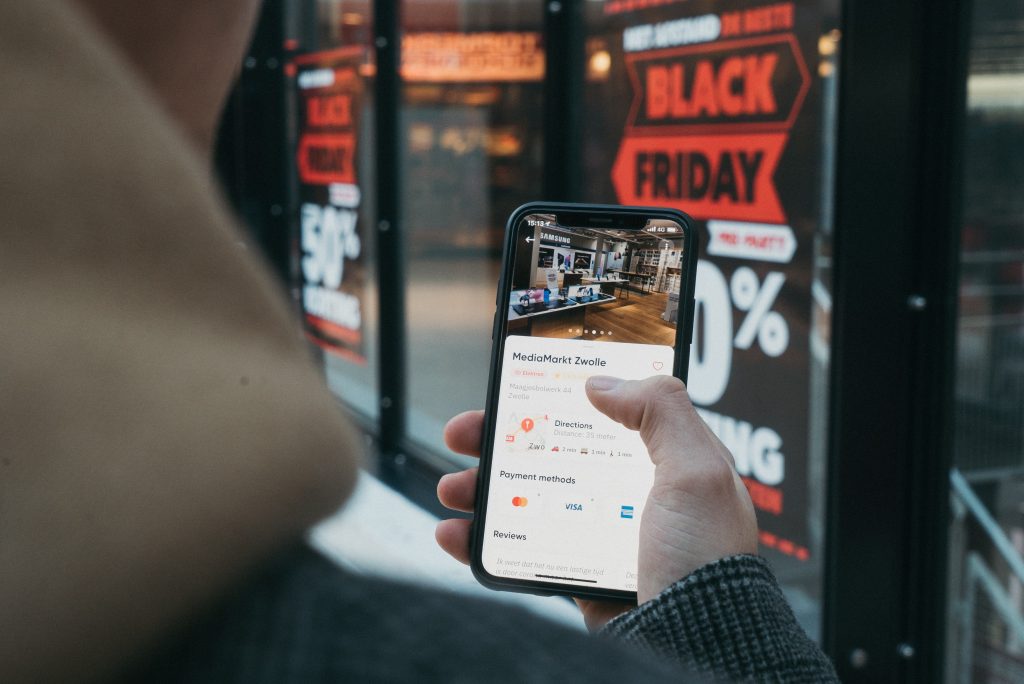
Black Friday, the frenzied shopping extravaganza that ushers in the holiday season, is synonymous with unbeatable deals, massive discounts, and hordes of enthusiastic shoppers. However, behind the glittering storefronts and online promotions, a darker reality lurks—one that involves environmental degradation and concerns over workers’ rights. In this blog post, we’ll delve into the history of Black Friday, explore its negative implications for the environment and workers, and discuss ways to protest the fast fashion industry.
History of Black Friday: While Black Friday originated as a term linked to financial crises in the 19th century, it has evolved into a consumerist spectacle over the years. The day after Thanksgiving became a key kickoff for holiday shopping, with retailers offering enticing discounts to attract crowds. Unfortunately, this retail bonanza has unintended consequences that extend far beyond our shopping carts.
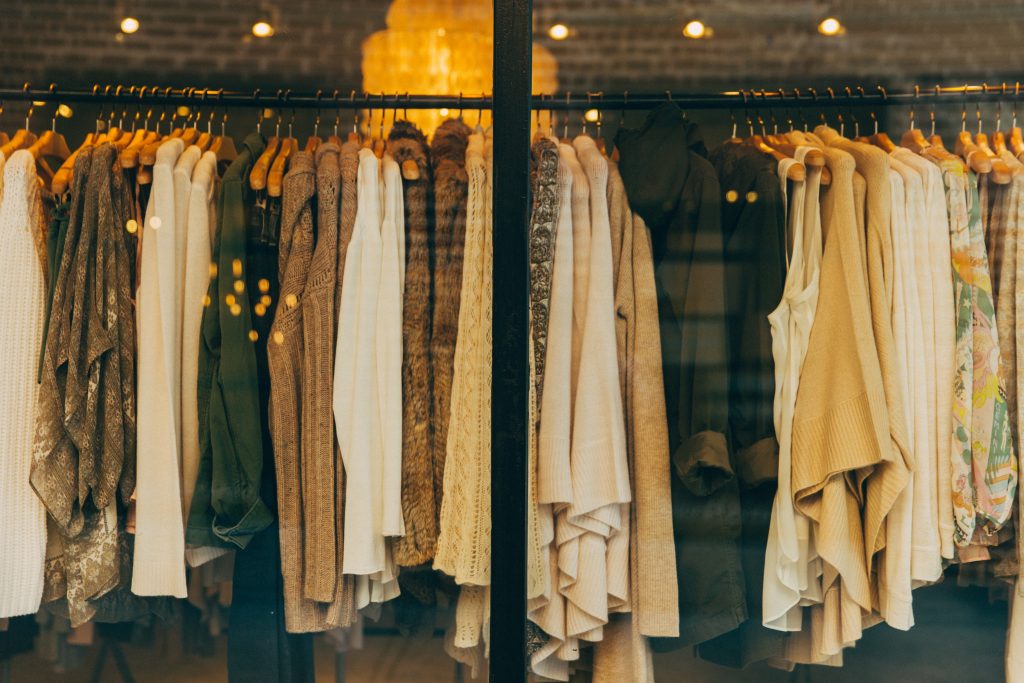
Environmental Impact: One of the major drawbacks of Black Friday is its contribution to environmental degradation, particularly in the realm of fast fashion. The fashion industry, notorious for its rapid production cycles and disposal of “outdated” styles, generates a staggering amount of waste. The relentless pursuit of low-cost, high-speed production results in overconsumption and the disposal of vast quantities of clothing, much of which ends up in landfills.
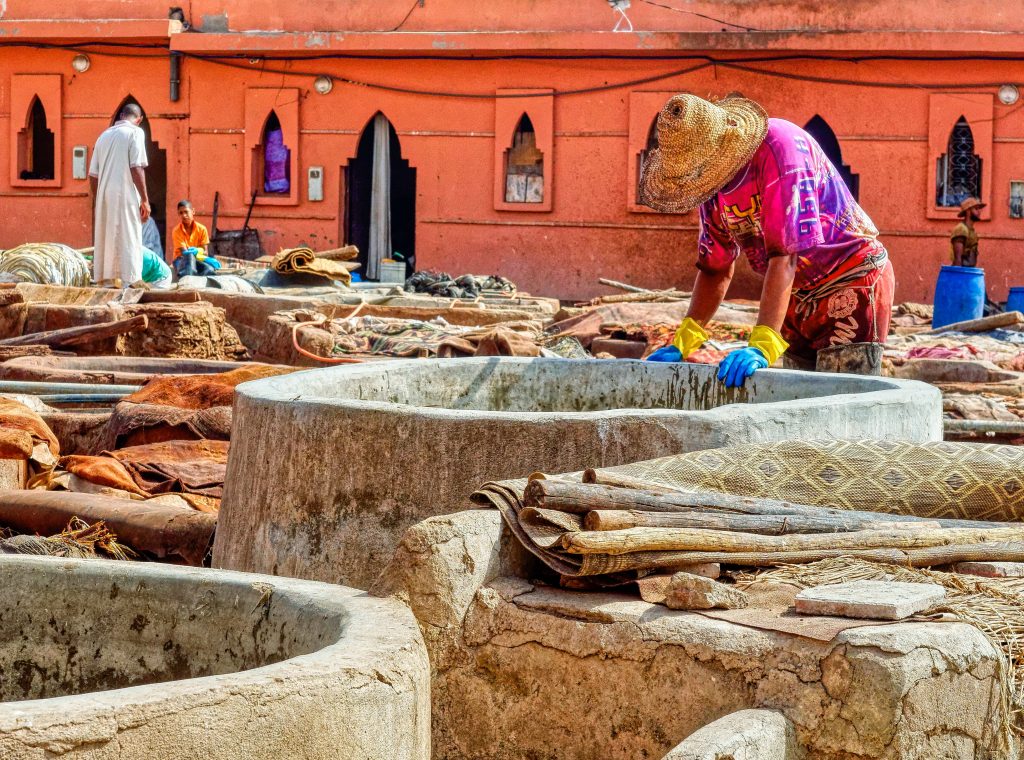
Worker Exploitation: As consumers seek the best deals, the pressure on retailers to cut costs intensifies. This often leads to the exploitation of workers, both domestically and internationally. Sweatshops, low wages, and poor working conditions are unfortunately prevalent in the fast fashion industry. The race to produce goods at breakneck speeds often comes at the expense of workers’ rights and well-being.
Protesting Cheap Fast Fashion:
- Educate Yourself: Start by learning about the impact of fast fashion on the environment and workers. Understanding the issue is the first step toward making informed choices as a consumer.
- Support Ethical Brands: Seek out and support fashion brands that prioritize ethical and sustainable practices. These brands often emphasize fair labor practices, use environmentally friendly materials, and promote transparency in their supply chains.
- Thrift Shopping: Embrace the concept of thrift and second-hand shopping. Buying pre-loved items not only reduces demand for new production but also extends the life of existing garments.
- Mindful Consumerism: Before making a purchase, consider whether it aligns with your values. Opt for quality over quantity, and invest in timeless pieces that won’t fall out of fashion after a single season.
- Advocate for Change: Support movements and organizations advocating for workers’ rights and sustainable fashion practices. Your voice, combined with others, can push for positive change within the industry.
Conclusion: As we navigate the sea of Black Friday deals, it’s crucial to recognize the broader implications of our shopping choices. By understanding the environmental and labor challenges associated with fast fashion, we can make more conscious decisions as consumers. Protesting cheap fast fashion isn’t just about avoiding the pitfalls of Black Friday; it’s about fostering a shift towards a more sustainable and ethical fashion industry—one that values both the planet and the people who contribute to it.