What’s wrong with fast fashion?

Introduction:
The fashion industry is an ever-evolving, billion-dollar powerhouse that continues to shape trends and influence our daily lives. While it has brought us style, self-expression, and creativity, it has also given rise to a concerning phenomenon known as “fast fashion.” This blog delves into the detrimental effects of fast fashion on the environment, labor conditions, and consumers, and offers a roadmap to curb its growth.
The Fast Fashion Problem:
Fast fashion refers to the rapid production of inexpensive, trendy clothing, which encourages consumers to buy and discard garments at an alarming rate. While it has made fashion accessible to the masses, its consequences are alarming:
- Environmental Impact:
- According to the World Wildlife Fund (WWF), the fashion industry is responsible for 10% of global carbon emissions.
- The Ellen MacArthur Foundation reports that the equivalent of one garbage truck of textiles is landfilled or burned every second.
- Labor Exploitation:
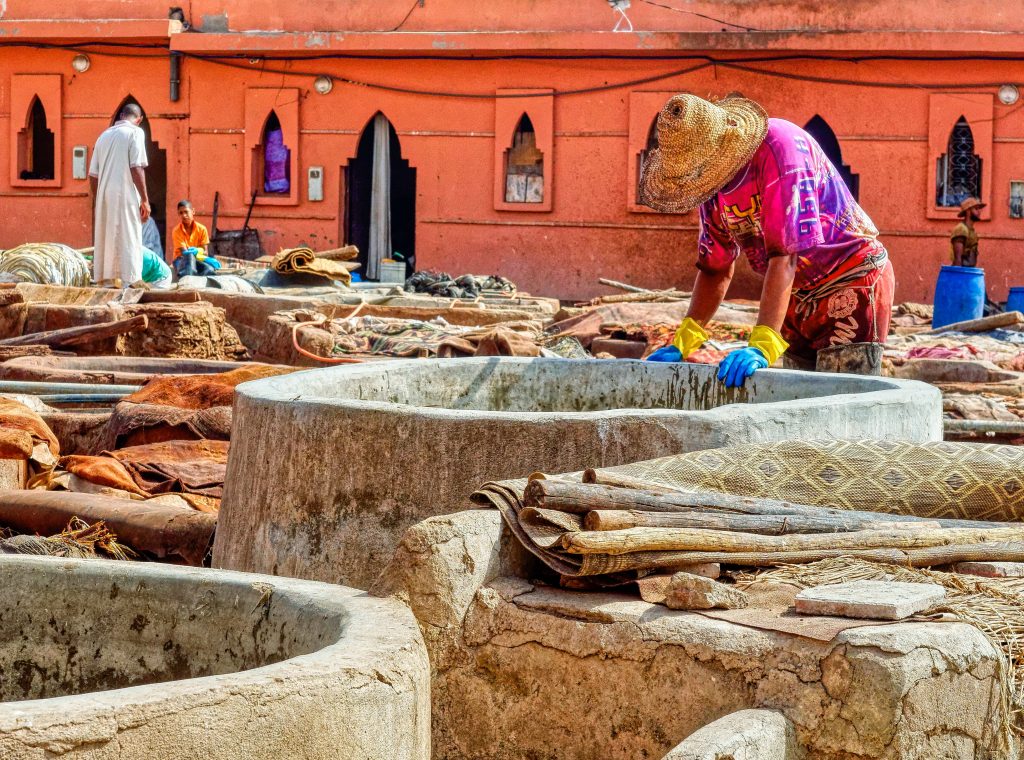
- The International Labour Organization (ILO) estimates that 170 million people work in the fashion industry, with many facing unsafe working conditions and low wages.
- Child labor remains a concern, despite international labor standards.
- Consumer Culture:
- The average consumer now buys 60% more clothing compared to 2000, yet keeps each item for only half as long, states McKinsey & Company.
- This disposability of fashion leads to vast amounts of waste, with only 15% of clothing being recycled.
Steps to Curb Fast Fashion:
- Consumer Awareness:
- Promote awareness about the environmental and social impacts of fast fashion through social media campaigns, documentaries, and educational initiatives.
- Support and patronize brands committed to sustainable and ethical practices.
- Sustainable Materials:
- Encourage the use of sustainable materials like organic cotton, Tencel, and recycled fibers in clothing production.
- Reward companies that prioritize sustainable sourcing and manufacturing.
- Slow Fashion Movement:
- Embrace the “slow fashion” movement, which emphasizes quality over quantity and promotes clothing durability.
- Consider investing in timeless pieces that last longer and transcend fashion trends.
- Second-Hand Shopping:
- Thrifting and consignment shopping can reduce waste and promote a circular fashion economy.
- Promote the idea of recycling and reusing fashion items.
- Legislation and Regulation:
- Advocate for government regulations and standards to ensure fair labor practices and environmental sustainability in the fashion industry.
- Support initiatives such as the Fashion Revolution’s “Fashion Revolution Week.”
- Repair and Upcycling:
- Learn basic clothing repair skills to extend the lifespan of your wardrobe.
- Experiment with upcycling or repurposing old clothing items.
Conclusion:
The growth of fast fashion is a multifaceted problem that requires collective action. By raising awareness, making conscious choices as consumers, and supporting sustainable fashion practices, we can contribute to a shift in the industry. Remember, fashion should not cost the Earth, and it should empower, rather than exploit, those who create it. It’s time to turn the tide and put an end to the fast fashion epidemic.