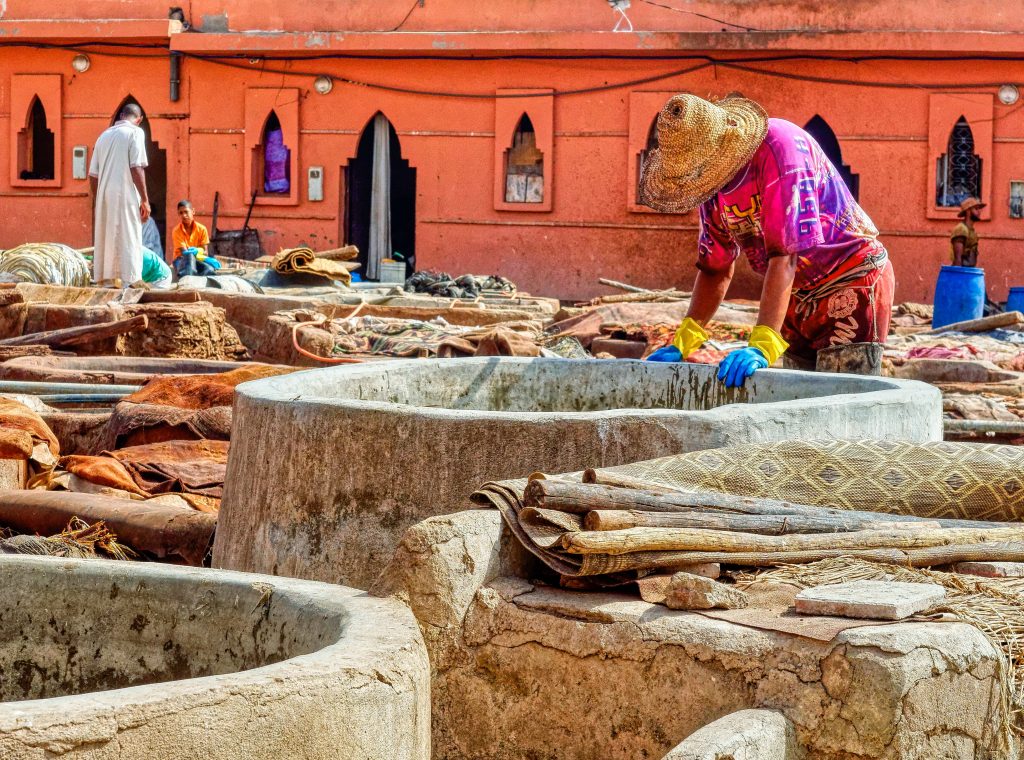
What does Fair Trade production look like?


Fair Trade Production: A Vision of Ethical and Sustainable Commerce
Introduction
In a world where consumer choices can have far-reaching consequences, fair trade production stands as a beacon of ethical and sustainable commerce. The concept of fair trade goes beyond mere economics; it embodies a vision of responsible production that prioritizes the well-being of producers, fosters sustainable practices, and empowers communities. In this blog, we will explore what fair trade production looks like and how it positively impacts both people and the planet.
The Heart of Fair Trade: Core Principles
Fair trade production is guided by a set of core principles that emphasize fairness, transparency, and sustainability:
- Fair Compensation: Fair trade ensures that producers receive fair compensation for their work, often exceeding the minimum wage in their respective countries. This equitable compensation supports a decent standard of living for producers and their families.
- Safe Working Conditions: Producers are committed to providing safe and healthy working environments. This includes access to clean water, proper sanitation facilities, and protective equipment, ensuring the well-being of workers.
- Environmental Responsibility: Fair trade encourages sustainable farming and production practices that minimize harm to the environment. Organic farming methods, reduced chemical use, and responsible resource management are common elements of fair trade.
- Transparency and Accountability: Fair trade organizations prioritize transparency in their supply chains. Consumers can trace the journey of products from production to purchase, ensuring ethical practices at every stage.
The Journey of Fair Trade Production
- Partnerships Built on Trust: Fair trade begins with partnerships between producers and fair trade organizations. These partnerships are rooted in mutual trust and respect, often spanning many years. They emphasize long-term collaboration and development.
- Fair Pricing Negotiations: Fair trade organizations negotiate fair prices with producers. This means paying prices that cover the cost of production and provide a living wage for workers. It avoids the exploitation and price fluctuations common in traditional markets.
- Community Development Initiatives: Fair trade goes beyond fair wages. It invests in community development projects, such as building schools, healthcare facilities, and clean water access points. These initiatives uplift entire communities, improving the quality of life for producers and their families.
- Sustainable Practices: Sustainability is a cornerstone of fair trade production. Whether it’s organic farming, reduced water usage, or minimizing waste, fair trade promotes responsible production methods that protect the environment for future generations.
- Empowerment Through Education: Fair trade organizations provide training and education to producers, equipping them with the skills and knowledge to enhance their production processes. This empowerment leads to increased income and independence.
- Ethical Certification: Fair trade products often carry recognized certifications, such as those from Fair Trade International or Fair Trade USA. These labels assure consumers that the products meet stringent ethical standards.
Statistics on Fair Trade Impact
Let’s take a closer look at the impact of fair trade through some statistics:
- According to Fair Trade International, in 2019, there were more than 1.7 million fair trade producers across 76 countries.
- Fair trade sales reached €10.7 billion in 2019, indicating the growing consumer interest in ethical products.
- Approximately 56% of fair trade producers are women, emphasizing the movement’s commitment to gender equality.
- Fair trade initiatives have supported reforestation projects and sustainable agriculture practices, benefiting the environment.
Challenges and Triumphs
While fair trade has made significant strides, it faces challenges. Producers may encounter barriers like limited market access, bureaucratic hurdles, or volatile commodity prices. Consumer awareness and demand for fair trade products also vary.
Nevertheless, the impact of fair trade is undeniable. It has transformed the lives of countless producers and communities globally, empowering marginalized groups, promoting gender equality, and fostering sustainable practices.
Conclusion
Fair trade production offers a compelling vision of commerce that balances profit with responsibility. It champions the rights and dignity of producers, promotes ecological stewardship, and empowers communities. By choosing fair trade products, consumers not only access high-quality goods but also participate in a global movement to create a more equitable and sustainable world. Next time you shop, consider the story behind the label and how your choices can make a meaningful difference in the lives of those who produce the items you cherish.