
How can we inspire sustainability in the older generation?

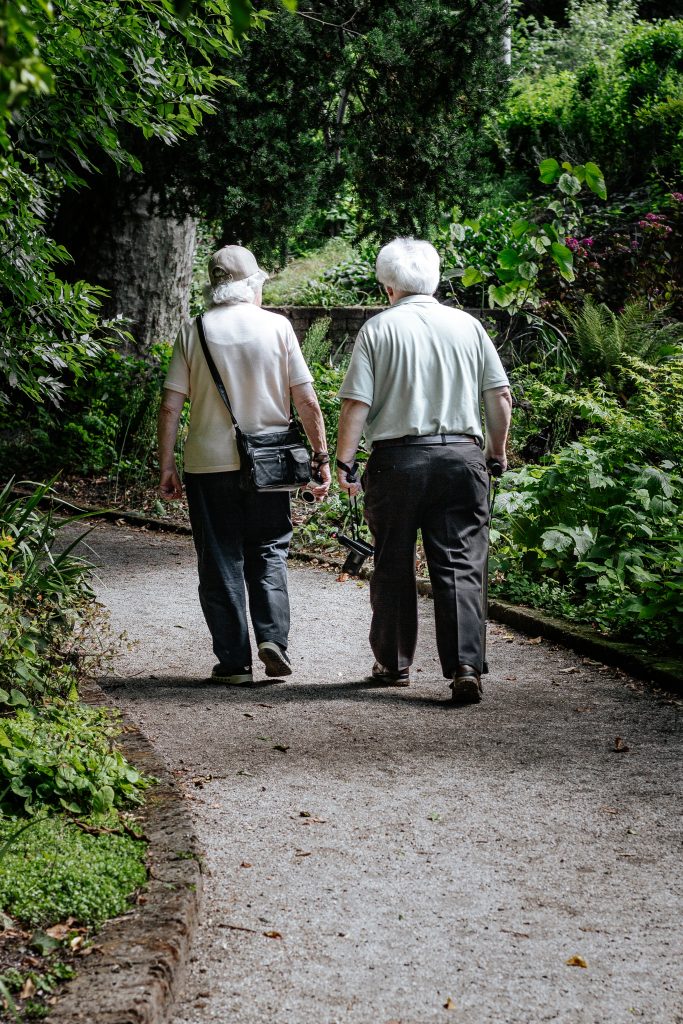
As the world grapples with the pressing need for sustainable living, it’s crucial to recognize that sustainability is not solely the responsibility of younger generations. Our parents and grandparents can also play a significant role in addressing environmental challenges. In this blog, we will explore effective strategies to inspire and track our elders into embracing a more sustainable lifestyle.
Start with Education:
To encourage sustainability among older generations, it’s essential to provide them with information and resources. According to a Pew Research Center report, 68% of adults aged 65 and older use the internet, making it an effective medium for sharing knowledge about environmental issues. 68% of older adults in the United States are internet users, making online education accessible to them. Source: Pew Research Center
Share Success Stories:
Share real-life success stories about seniors who have adopted sustainable practices. This can serve as inspiration and proof that it’s never too late to make a positive impact on the environment. There are numerous inspirational stories of older individuals making significant contributions to sustainability efforts.
Encourage Energy Efficiency:
Promote energy-efficient habits, such as switching to LED lighting, using programmable thermostats, and turning off appliances when not in use. According to the U.S. Energy Information Administration, residential energy consumption decreases with energy-efficient practices. Energy-efficient homes use less electricity and save money, which is especially valuable for seniors on fixed incomes. Source: U.S. EIA
Gardening and Local Food:
Encourage gardening and support local, sustainable food sources. According to AARP, gardening is an excellent way for older adults to stay active and connected to nature. Gardening provides physical and mental health benefits and reduces the carbon footprint associated with food transportation. Source: AARP
Reduce, Reuse, Recycle:
Teach the principles of reducing waste, reusing items, and recycling. The U.S. The Environmental Protection Agency (EPA) states that recycling reduces greenhouse gas emissions and conserves resources. Recycling one ton of paper saves 17 trees, 7,000 gallons of water, and 463 gallons of oil. Source: U.S. EPA
Support Eco-Friendly Transportation:
Encourage the use of public transportation, carpooling, or electric vehicles to reduce carbon emissions. According to the American Public Transportation Association, public transit use reduces the individual carbon footprint.A single person switching to public transportation can reduce their carbon emissions by up to 4,800 pounds per year. Source: APTA
Volunteering and Community Engagement:
Participating in sustainability-focused community projects can foster a sense of purpose and connection. Volunteering opportunities such as tree planting, environmental cleanups, and habitat restoration are widely available. Volunteering in sustainability efforts contributes to community well-being and creates a sense of accomplishment.
Inspiring sustainability in older generations is not only achievable but also essential in the global effort to address environmental challenges. By educating, sharing success stories, and encouraging sustainable practices, we can empower our parents and grandparents to make meaningful contributions to a more sustainable future. Every individual, regardless of age, has a role to play in creating a greener and more environmentally responsible world.